Why TADC Mind Games players may like Granny Horror
Granny Horror is a strong follow-up when you want dread without reading long dialogue trees. TADC Mind Games builds tension through choice pressure, character control, and route consequences. Granny Horror builds tension through sound, movement, and the fear that one wrong step ends the run.
Both games reward careful observation. In TADC Mind Games, you watch Caine's tone, Pomni's panic, and Kinger's odd clues. In Granny Horror, you watch floor noise, item placement, door routes, and how quickly the house closes in. If your favorite part of TADC is the moment a safe answer suddenly feels wrong, Granny Horror gives you that feeling in a more physical, immediate form.
This page is written for players who already use this site as a route hub. We list Granny Horror here because it matches the same audience: horror fans who like short replay loops, high pressure, and learning a system through failure rather than one perfect blind run.
What Granny Horror is about
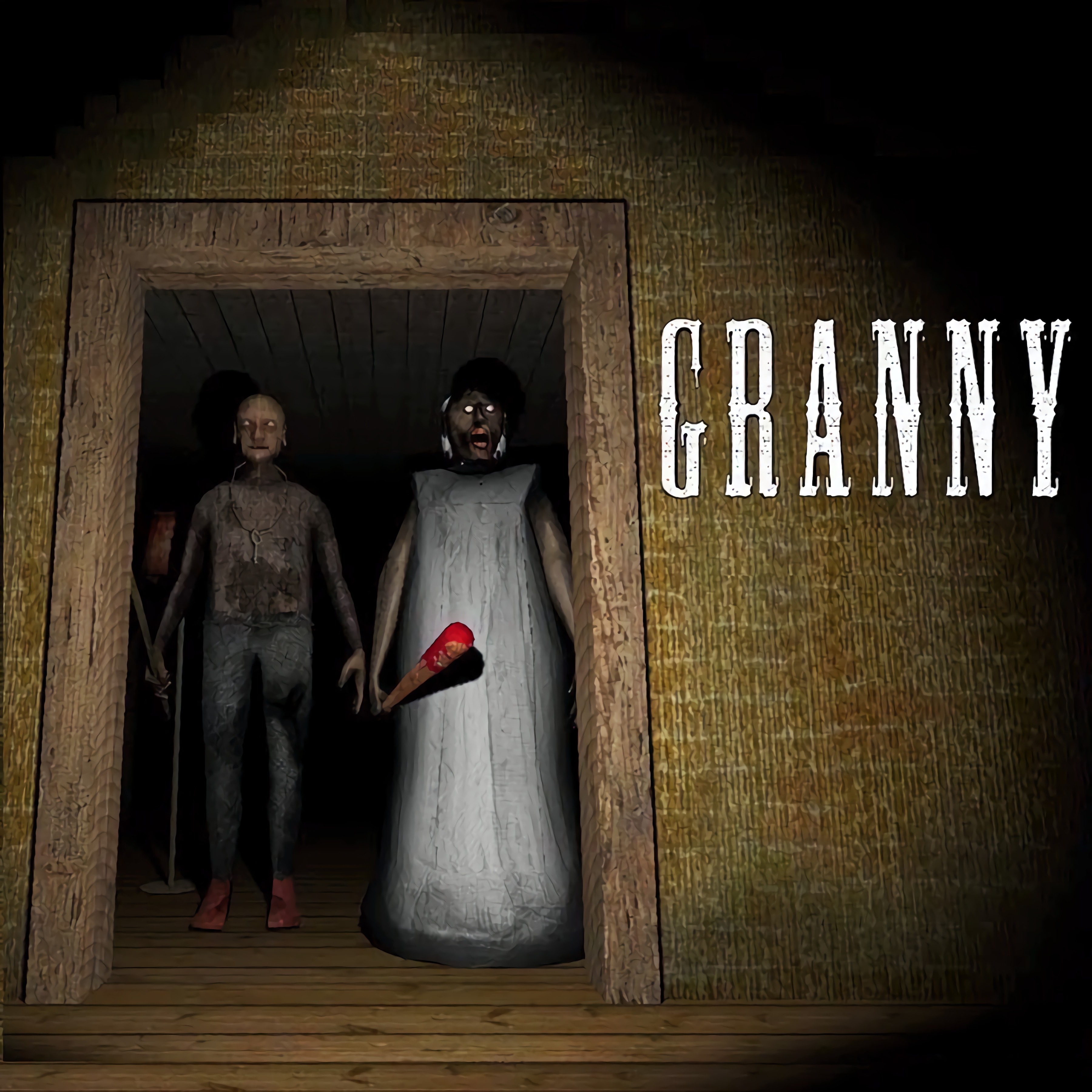
Granny Horror is a first-person stealth escape game built around a simple nightmare: you wake inside a hostile house and must find a way out while Granny hunts by sound. The core loop is search, hide, solve, and escape. You gather items, unlock new areas, avoid direct contact, and plan routes that keep your noise footprint as small as possible.
The browser version on this page loads through an embedded player hosted at 1games.io. That makes it easy to try the game between TADC Mind Games ending runs without installing a separate client. For longer sessions, many players also know the title from mobile and desktop releases by DVloper, but this guide focuses on the browser play experience available here.
Unlike a visual novel route, Granny Horror does not ask what you want to say. It asks where you want to go, how fast, and whether the risk is worth the reward. That shift is useful after several dialogue-heavy TADC replays.
Best reasons to play it next
- Stealth pressure: Every movement can reveal your position, which creates a different kind of horror from dialogue-based route reading.
- Fast browser sessions: You can open the embedded player between TADC Mind Games ending runs without leaving this site.
- Short replay loop: Failed runs teach the house layout quickly, similar to how walkthrough replay pages reward one-change testing.
- Escape puzzle structure: Finding tools, unlocking rooms, and planning exit routes gives horror players a break from conversation branches.
- Strong contrast with TADC: Useful when you want movement dread instead of Caine, Pomni, or Kinger dialogue pressure.
Survival tips for new players
These notes come from common first-session patterns in stealth escape horror. They are meant to help new browser players get value from the first few attempts.
- Move slower than you think: Most early failures come from rushing toward the next object instead of checking Granny's patrol rhythm.
- Learn one room cluster first: Pick a small part of the house and memorize exits, hiding spots, and noisy objects before expanding outward.
- Plan an escape path before you grab: Know where you will run before picking up an item that slows you down or makes noise.
- Use hiding spots on purpose: Do not treat closets and beds as panic buttons only. Use them as part of a route plan.
- Reset your mindset after failure: Treat each run like a TADC ending chase. Change one habit, not the whole strategy at once.
If you prefer structured route planning, read these tips the same way you would read a safe-first TADC replay: identify the pressure point, test one change, then compare the result.
Core gameplay and objectives
- Explore under pressure: Search drawers, rooms, and side paths for tools and exit pieces while the house stays dangerous.
- Stealth over combat: Granny Horror is about avoidance. Direct confrontation is usually the fastest way to lose a run.
- Sound matters: Dropped items, sprinting, and noisy objects can give away your position. Move like every floorboard is listening.
- Puzzle progression: Escaping usually requires combining found objects and opening new areas in the right order.
How it compares with TADC Mind Games
TADC Mind Games is the better pick when you want character-driven horror, dialogue choices, and a clear ending checklist built around Caine, Pomni, and Kinger signals. Granny Horror is the better pick when you want immediate tension, spatial awareness, and a gameplay loop that punishes careless movement instead of careless words.
The two games complement each other well. TADC Mind Games teaches route reading through conversation and mood. Granny Horror teaches route reading through layout, timing, and consequence. Players who enjoy hunting all endings often enjoy Granny Horror because both reward repeated attempts with clearer internal logic.
If you came to this site for browser horror with strong replay value, start with TADC Mind Games, then use Granny Horror as a faster, action-stealth break before diving back into choice tracking on the choices page.
Recommended play order
- Finish one TADC Mind Games route so you know whether you prefer dialogue dread or movement dread.
- Play one short Granny Horror run without over-optimizing the whole house.
- After a failure, retry with one changed habit: slower movement, a smaller search zone, or a safer exit route.
- Return to TADC route pages when you want character-based endings again.
Useful links
This is an independent TADC Mind Games fan site. We do not develop Granny Horror, and we are not affiliated with DVloper or the embedded host platform. The browser player above is provided for convenience so visitors can try the game after reading the guide.